
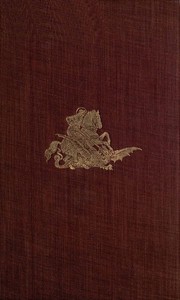
Fictitious & Symbolic Creatures in Art by John Vinycomb
John Vinycomb's Fictitious & Symbolic Creatures in Art is a deep dive into the world of artistic imagination. Forget modern fantasy novels; this book explores the original source material—the beasts that populated European art, heraldry, and architecture for centuries. Vinycomb acts as our guide through this menagerie of the mind.
The Story
There isn't a traditional plot, but there is a wonderful journey. The book is structured like a field guide to a world that never quite existed. Vinycomb systematically introduces us to creatures like the Phoenix, the Unicorn, the Manticore, and the Double-Headed Eagle. For each, he doesn't just describe what they look like. He tracks their origins in ancient myths and bestiaries, shows how their symbolism evolved, and, most importantly, illustrates how artists used them. He explains why a lion might mean courage on a knight's shield, or how a dragon could symbolize sin in a church carving. The "story" is the revelation of a hidden visual language that our ancestors used to communicate ideas about faith, power, virtue, and danger long before emojis were invented.
Why You Should Read It
This book turns passive looking into active seeing. After reading a chapter on heraldic beasts, you'll never glance at a family crest the same way again. Vinycomb's passion is contagious. He writes not as a distant academic, but as someone genuinely excited to share why a griffin's eagle-lion hybrid form made it the perfect symbol for guarding treasure. The book connects dots between religion, folklore, and art history in a way that feels natural and thrilling. It answers questions you didn't even know you had, like the proper way to draw a sea-serpent for a ship's figurehead or what a "cockatrice" actually is (hint: it's deadlier than a dragon).
Final Verdict
This is a perfect book for curious minds who love art, history, or mythology. It's ideal for the museum-goer who wants to understand more than just the painter's name, for the fantasy reader interested in the real-world roots of mythical creatures, or for anyone who enjoys fascinating trivia about our cultural past. It's not a light novel, but it's written with a clarity that makes it accessible. If you're looking for a book that will genuinely change how you see the world—or at least the old, artistic parts of it—this is a treasure trove waiting to be opened.
This book is widely considered to be in the public domain. Feel free to use it for personal or commercial purposes.
Joshua Perez
1 year agoI have to admit, it challenges the reader's perspective in an intellectual way. Don't hesitate to start reading.
Michelle Brown
3 months agoGood quality content.
Liam Ramirez
1 year agoCitation worthy content.
Karen Martin
10 months agoHelped me clear up some confusion on the topic.


Margaret Young
9 months agoHaving read this twice, the depth of research presented here is truly commendable. Truly inspiring.